What Is a Health Coach, Anyway? And Why Is Getting Healthy So Much Harder Than It Should Be?
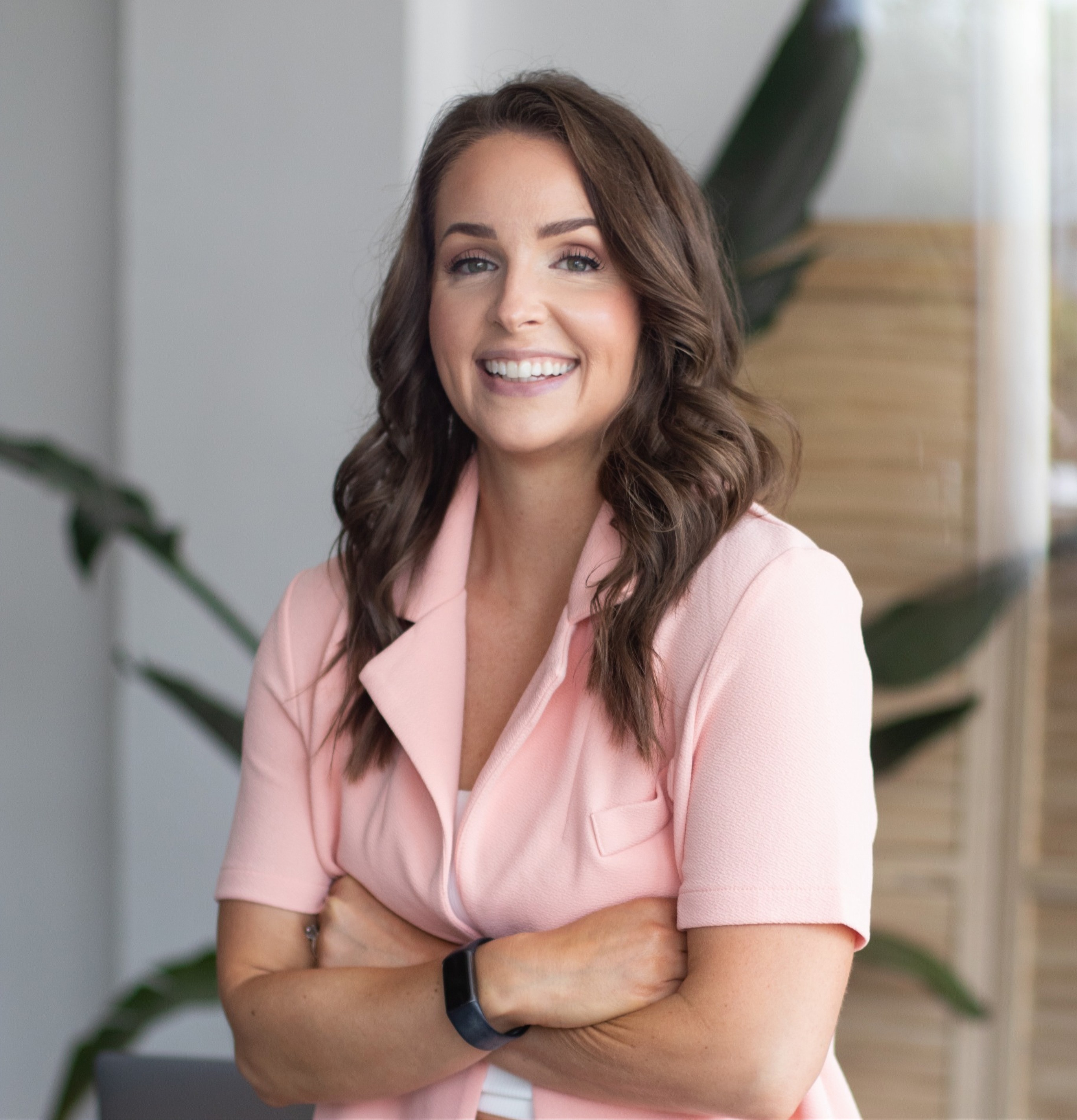
We're constantly sold quick fixes for our health. So why isn't learning how to actually be healthy the popular solution?

I'll be honest. Trying to build a business around something that many people don't even understand has been a challenge.
Health coaching is still relatively unfamiliar to a lot of people, and I get it. If you've never worked with a health coach, you might not know what I do, how I help people, or why you would need one. You might even wonder whether it's a real profession.
But the more I think about it, the more I realize that the lack of understanding surrounding health coaching is part of a much bigger problem. We live in a world where we're constantly bombarded with advice about how to lose weight, get fit, eat better, and improve our health. There are programs promising dramatic transformations, diets claiming to deliver fast results, and influencers telling us that the secret to success is a particular workout, supplement, or morning routine.
Yet so many people are still stuck in the same cycle. They decide it's time to get healthy, throw themselves into a new plan, try to change everything at once, and eventually find themselves right back where they started.
Maybe you've been there. I know I have.
So, if all this advice is available to us, why is getting healthy still so difficult? And why do we keep looking for the next big thing instead of learning how to make healthy living a part of our everyday lives?
I think a big part of the answer is that most people have never actually been taught how to be healthy. They've been taught how to try to get healthy. And there's a big difference.
We're Taught to Chase Results, Not Learn the Process
Think about how popular extreme approaches to weight loss and fitness have become. We see the before-and-after photos, the dramatic weight-loss stories, and the promises that we can transform our bodies in a matter of weeks. Those messages are compelling because they appeal to something most of us want: results, preferably as quickly as possible.
And who can blame us? When we're unhappy with our health, our weight, or how we feel, we want things to change. We don't want to spend months figuring things out when someone is promising us that we can have the body or the lifestyle we want in 30 days.
The problem is that the marketing often focuses on the outcome without adequately explaining the process required to get there and maintain it.
Let's say you want to lose weight. You decide you're finally going to do it, so you cut your calories drastically, commit to working out six days a week, eliminate all your favorite foods, and promise yourself that this time will be different. For a little while, your motivation carries you through. You're excited, you're seeing some progress, and you're convinced you've finally found what works.
Then real life happens. You're exhausted. You're hungry. Work gets busy. Your family needs you. You miss a workout, eat something that wasn't on your plan, and start feeling like you're falling behind. Eventually, the whole thing becomes so difficult to maintain that you give up.
A few weeks later, you're frustrated with yourself and looking for another plan to try on Monday.
But what if the problem was never your lack of discipline? What if you were trying to follow a plan that never taught you how to live a healthy life in the first place?
Extreme approaches can sometimes produce quick results, but getting results and maintaining them are two different challenges. If a plan requires you to live in a way that you cannot realistically sustain, what happens when the plan ends?
You may lose the weight, but have you learned how to eat in a way that supports your health? Have you developed a consistent movement routine? Do you understand the role of strength training, adequate nutrition, sleep, hydration, and stress management? Can you navigate a vacation, a busy workweek, or a difficult season without feeling like you've lost all your progress?
These are the things that matter long after the initial motivation wears off.
And this is exactly why I believe we need to change the way we approach getting healthy.
What If We Learned How to Be Healthy Instead of Constantly Trying to Get Healthy?
This is where my work as a health coach comes in.
I help people change their mindset about what it means to be healthy. Instead of approaching health as a temporary project with a finish line, I help them learn how to make choices that support their well-being over the course of their lives.
That involves more than telling someone to eat more vegetables or exercise regularly. Most people already know those things are beneficial. The challenge is figuring out how to put that knowledge into practice, consistently, in a way that works for their circumstances.
I help people identify where they are, understand what is getting in their way, and determine which changes make the most sense for them. We work on building habits, establishing realistic expectations, and learning how to navigate the inevitable obstacles that come with making changes.
I also help people recognize that they don't have to overhaul their entire lives overnight. In fact, trying to do everything at once can make the process much harder than it needs to be.
Imagine that you rarely exercise, eat very few vegetables, stay up too late, and spend most of your day sitting. You decide that you're going to fix all of it starting Monday. Suddenly, you're waking up an hour earlier to work out, meal prepping every Sunday, tracking every calorie, trying to hit 10,000 steps, and forcing yourself to get to bed by 9 p.m.
That's a lot of change at once, especially if none of those behaviors is currently part of your routine.
Instead, what if you started by taking a 10-minute walk after lunch? Once that becomes a regular part of your day, you build on it. Perhaps you begin adding a vegetable to dinner. Then you work on establishing a more consistent bedtime. Over time, these small actions begin to add up, and you're building a lifestyle that supports your health rather than trying to force yourself into an entirely new one.
This isn't about doing less or settling for mediocre results. It's about understanding that lasting change requires practice, repetition, and time.
You don't just need to know what healthy people do. You need to learn how to do those things yourself, until they become a natural part of your life.
I had to learn this, too. The idea of making small changes instead of doing something drastic wasn't always intuitive to me. When you want results, taking a slower, more gradual approach can feel counterproductive. It can seem like you're not doing enough, especially when you're comparing your progress to someone else's dramatic transformation.
But learning to value consistency over intensity changed how I think about health. It helped me understand that the goal isn't to be perfect for a few weeks. It's to develop the skills and habits that will support me for decades.
And that's what I want other people to experience, too.
Why Isn't This the Popular Approach?
I think about this question a lot.
Why are extreme diets, quick fixes, and dramatic transformations so appealing, while the process of learning how to take care of ourselves often gets overlooked?
Part of the answer is marketing. A promise of rapid weight loss is easier to sell than the reality of gradually building habits. "Lose 20 pounds in 30 days" is a more attention-grabbing message than "Learn how to develop sustainable eating and movement habits over time."
One sounds exciting and immediate. The other requires patience.
We're also surrounded by messages that encourage us to believe we're one discovery away from finally figuring everything out. Maybe we need a different diet, a new workout, a particular supplement, or a more restrictive set of rules. There's always something else to try, and there's always someone ready to sell it to us.
Meanwhile, the less glamorous work of learning how to plan meals, move consistently, get enough sleep, manage stress, and make realistic choices doesn't always get the same attention.
I don't think most people are deliberately choosing the wrong approach. I think they're trying to solve a problem with the information they've been given. When the loudest voices promise fast results, it's understandable that people gravitate toward those promises.
But I want people to understand that there is another way.
You can stop looking for the perfect plan and start learning how to build a lifestyle that supports your health. You can stop treating every setback as a failure and learn how to adjust. You can stop relying on motivation to carry you through and develop habits that make healthy choices easier over time.
Wouldn't you rather spend your time learning how to do this in a way you can maintain than keep starting over every few months because the latest plan wasn't realistic for your life?
I know I would.
And if you're someone who has spent years trying different approaches, I want you to know that you haven't necessarily failed because you lack willpower. You may simply have never been given the opportunity to learn the process behind lasting change.
That's why I do what I do.
Building Habits Takes Time. That's the Point.
One of the most important things I teach as a health coach is that habits don't develop overnight.
We tend to underestimate how much time it takes to make a behavior feel normal. We expect ourselves to change years of routines in a matter of days, and when those changes feel difficult, we assume something is wrong with us.
But learning a new behavior takes practice. You have to figure out when it fits into your day, how to handle obstacles, and what to do when your original plan doesn't work. You have to repeat the behavior enough times for it to become more familiar and easier to maintain.
Some habits develop more quickly than others. Some require more effort, and some need to be adjusted as your circumstances change. That's normal.
The point isn't to make every healthy choice effortless. The point is to develop the skills to keep making those choices, even when life gets complicated.
This is also why I don't want people to think of healthy living as something they do until they reach a particular weight or finish a program. Your health doesn't stop mattering when you reach a goal. The habits that support your health need to be part of your life beyond that point.
For example, if your goal is to lose weight, you need to consider more than just how much you eat. Your overall nutrition, physical activity, strength training, sleep, stress, and other factors all play a role in your health and can influence your progress. Your approach also needs to provide enough nourishment and be realistic enough to maintain.
You don't need to master every aspect of health immediately. You need to understand what matters, learn how to put it into practice, and build from there.
That is a process worth investing in because the skills you develop can serve you for the rest of your life.
Why I Created The Health Journey Roadmap™
Through my one-on-one coaching, I've developed a way of helping people work through the process of making sustainable lifestyle changes. I wanted to help people move beyond collecting health advice and actually learn how to apply it.
But I also recognized that not everyone is ready for individual coaching, and not everyone needs to start there.
Some people want to work through the process independently. They want time to think about what they're learning, reflect on their current habits, and practice making changes without feeling rushed to move on to the next thing.
That's why I took the method I use in my one-on-one coaching and developed The Health Journey Roadmap™, a self-paced course designed to help people navigate the process of building a healthier lifestyle.
The Roadmap is built around the idea that you don't need to change everything at once. You need direction, a better understanding of what supports your health, and a practical way to start making changes that fit your life.
Instead of jumping from one plan to another, you can work through the material at your own pace, digest the information, and put what you're learning into practice. You can spend time identifying where you want to make changes, understanding what's been holding you back, and figuring out how to move forward without overwhelming yourself.
I created this course because I know how easy it is to hear advice like "start small" or "build one habit at a time" without really understanding what that means in practice. If you've spent years believing that getting healthy requires a dramatic overhaul, a gradual approach can feel unfamiliar. You might even wonder whether you're doing enough.
I want to give you the context behind that approach so you can understand why it works, how to apply it, and how to make it your own.
And because learning to change your lifestyle isn't always straightforward, the Roadmap can also be a starting point for working with me one-on-one. Once you've completed the course, you have the opportunity to get personalized coaching and additional support as you put what you've learned into practice.
You don't have to figure everything out on your own, but you also don't have to wait for someone else to tell you every step to take.
My goal is to help you become more confident in your ability to make decisions about your health and build a lifestyle you can maintain.

You Don't Have to Keep Starting Over Every Monday
If there's one thing I want people to take away from my work, it's that getting healthy doesn't have to mean constantly starting over.
You don't have to wait for the beginning of a new week, a new month, or a new year. You don't need to find the perfect diet or the ideal workout program before you begin. And you don't need to change every aspect of your life to start making progress.
You need to learn what supports your health, understand where you are right now, and take steps toward where you want to be.
Some weeks will go well. Others won't. You'll have days when your habits feel easy and days when you have to work a little harder to follow through. The difference is that when you learn how to navigate those moments, a difficult day doesn't have to turn into another abandoned attempt.
That's what sustainable health looks like to me. Not perfection, not restriction, and not a dramatic transformation that requires you to put your entire life on hold.
It's learning how to take care of yourself in a way that works for you, through all the different seasons of your life.
And if you've been stuck in the cycle of trying something new, getting overwhelmed, quitting, and promising yourself you'll do better next time, I want you to know that you can approach this differently.
You can learn how to be healthy instead of spending your life trying to get healthy.
That's why I'm a health coach. That's why I created The Health Journey Roadmap. And that's why I care so much about helping people stop wasting their time on approaches that aren't teaching them what they really need to know.
You deserve more than another quick fix. You deserve to learn how to build a healthy life that lasts.
If you're ready to stop starting over and begin learning how to make sustainable changes, I'd love for you to explore The Health Journey Roadmap™ and see whether it's the right next step for you.
Your health journey doesn't need another Monday reset. It needs a direction.
And you can start finding yours today.
If my wellness content has encouraged you, your support helps me continue creating free resources for this community.


Comments